You may have encountered or even heard about the Find My software application. This application by Apple allows you to see the location of your device, whether this be an Apple Watch, iPhone, iPad or even a Macbook. Although this type of application is intended for use in the case of “I can’t remember where I left it” or “somebody has stolen my device”, its popularity lies within the tracking of other individuals.
Although this is frowned upon, what if we used GPS tracking for our kids? Are location devices for kids available on the market? Most importantly, is it legal to use GPS-tracking devices for your kids? Welcome to Private Investigation Detectives, where we will be delving into GPS tracking for kids and how you can utilise today’s technology to ensure your children are safe no matter their whereabouts.
Let’s Lay Down The Facts
It wouldn’t come as much as a surprise that children are the most vulnerable when missing comes to mind. In fact, a UKMPU statistical report from 2021-2022 informs us that there had been a total of 294,220 missing person incidents, where 173,369 of these were children, with a 26.5% increase from the previous year. Furthermore, this research also suggests that the most common age group of children to go missing was 12-17. Not only this, but statistics from Missing People suggest that looked-after children are at the highest risk of being reported missing, where each child will be reported six times on average.
So, what does this say to us, the average parent who lives the average life without high levels of security daily? In the case that our children do go missing, we’d need to make sure we have the exact location of their whereabouts, and this is where today’s world of technology and GPS tracking enters the chat.
Thankfully, in recent years, more GPS tracking systems have become much more available on the market, where you even have the ability to track a device for free if you own a device equipped with location tracking.
GPS Tracking Devices For Kids
According to the Independent, almost half of children aged five to ten own a mobile phone. This, as parents, enables us to use their mobile phones as GPS tracking devices whether they are at a friend’s house, are being looked after by a friend or relative, or even if they are in their bedroom. However, the situation raises a compelling question: What if your child is as young as two years old and has no understanding of what a mobile phone is or what it does?
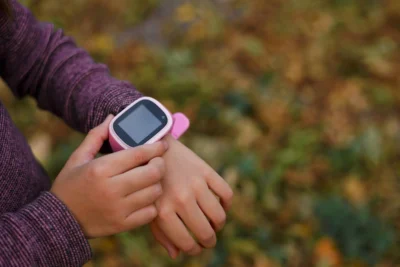
If you look around on places like Amazon, eBay or any places similar, you will find a full range of GPS trackers for kids that come in the forms of little box-type devices, watches, bracelets and even toys that cost as little as £10. This would let us feel somewhat rested, knowing that wherever our children went, we would have their exact location.
Is it legal to use GPS tracking devices on my children?
In today’s fast-paced world, concerned parents often turn to GPS tracking devices as a safety net for their little explorers. Wondering about the legality of using these devices in the UK? The UK generally allows parents to use GPS trackers for their children, especially in public spaces. It’s like a digital leash, ensuring your child’s safety while they roam freely.
However, let’s not forget the importance of striking a balance. While parents have the right to use these gadgets, respecting your child’s privacy and having an open chat about why you’re using the tracker can go a long way.
It’s not just about staying within the legal boundaries. Adhering to data protection laws, like the GDPR, is crucial. Consent is key if you’re dealing with personal data (which you likely are). So, before you gear up your tech-savvy parenting, ensure you’re not crossing any lines. Stay updated with the latest regulations and embrace the power of GPS tracking responsibly, ensuring your peace of mind and your child’s safety.
Let’s Wrap It Up
In conclusion, the rise of GPS tracking technology offers parents an invaluable tool in ensuring their children’s safety, especially in an age where missing person incidents are alarmingly high. With the availability of GPS tracking devices in various forms, parents now have the means to keep track of their children’s whereabouts, offering a sense of security in an unpredictable world.
The legal landscape in the UK generally supports using GPS trackers for children, particularly in public spaces, acting as a digital safety net. However, parents must balance ensuring their child’s safety and respecting their privacy. Open communication and gaining your child’s consent foster trust and understanding, especially as they age.
Furthermore, staying well-informed about data protection laws like the GDPR is imperative, ensuring that you handle personal data responsibly and ethically. Embracing GPS tracking technology with awareness and responsibility can provide parents and children peace of mind, ultimately creating a safer environment for everyone involved. By leveraging these advancements in a thoughtful manner, parents can navigate the challenges of parenting in the digital age, ensuring the safety and well-being of their children while respecting their autonomy and privacy.